Created by Wendy Ojeda
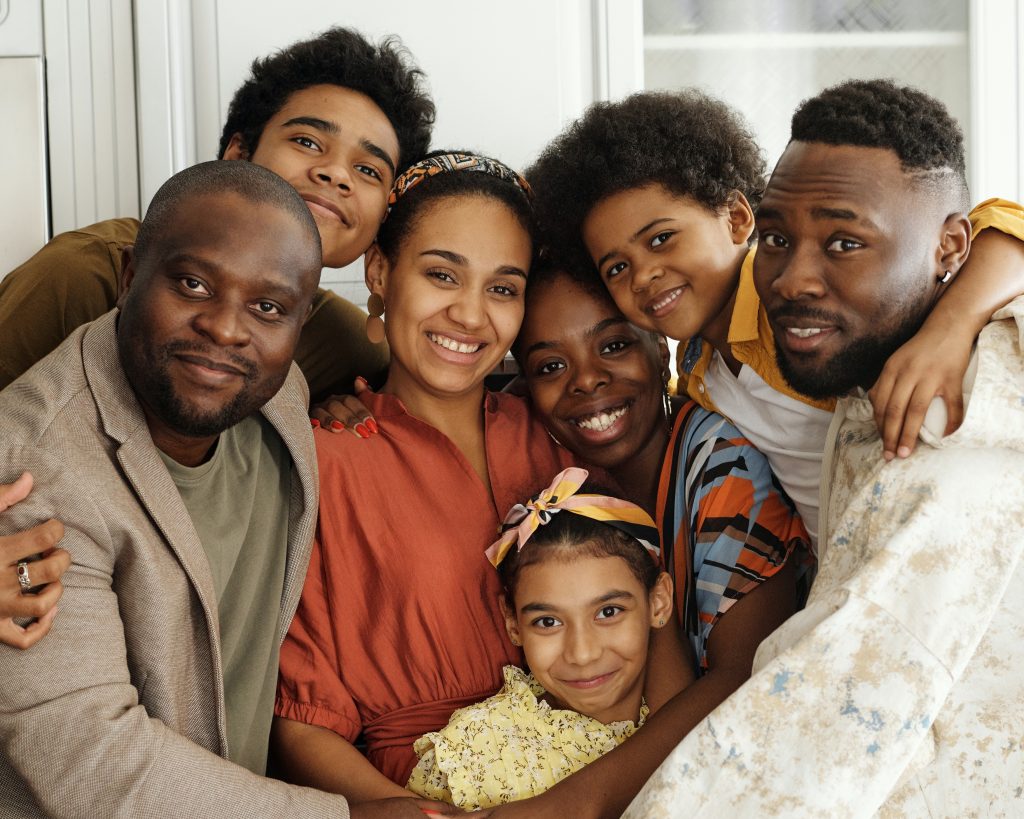
Every family is different – they all vary in size, languages, traditions, values, cultures, and roles- and that’s what makes each one beautiful and unique in their own way. Children should feel a sense of pride of their family and having their family represented at home and in their classroom. When children are away from home and family, such as in school, it’s important to show them that they and their families are welcomed, respected, and celebrated in their learning environment. Having that inclusivity in the classroom can help children gain confidence, an identity, a sense of belonging, empathy and respect for others, and improve social-emotional skills with other peers and adults. This blog will help parents, caregivers, and even teachers gain an understanding of different approaches, ideas, activities, practices, and curriculum to celebrating families at home and in the classroom environment.
How Can You Celebrate Your Family at Home
Storytime with the family: Find a book at a bookstore, online, or your local library that reflect your family; you can even include other books that focus on different families and compare and contrast your family’s structure, language, traditions, holidays, and culture to other families. You can even add family friendly movies whose focus is on celebrating families. A fun idea would be a Family Book and Movie Night on any day of the weekend! Some great book and movie suggestions may consist of:
- My Family, Your Family by Lisa Bullard
- Stella Brings the Family by Miriam B. Schiffer
- Our Diversity Makes Us Stronger by Elizabeth Cole
- It’s OK to be Different by Sharon Purtill
- Encanto (2021)
- Wonder (2017)
- Zootopia (2016)
- Akeelah & The Bee (2006)
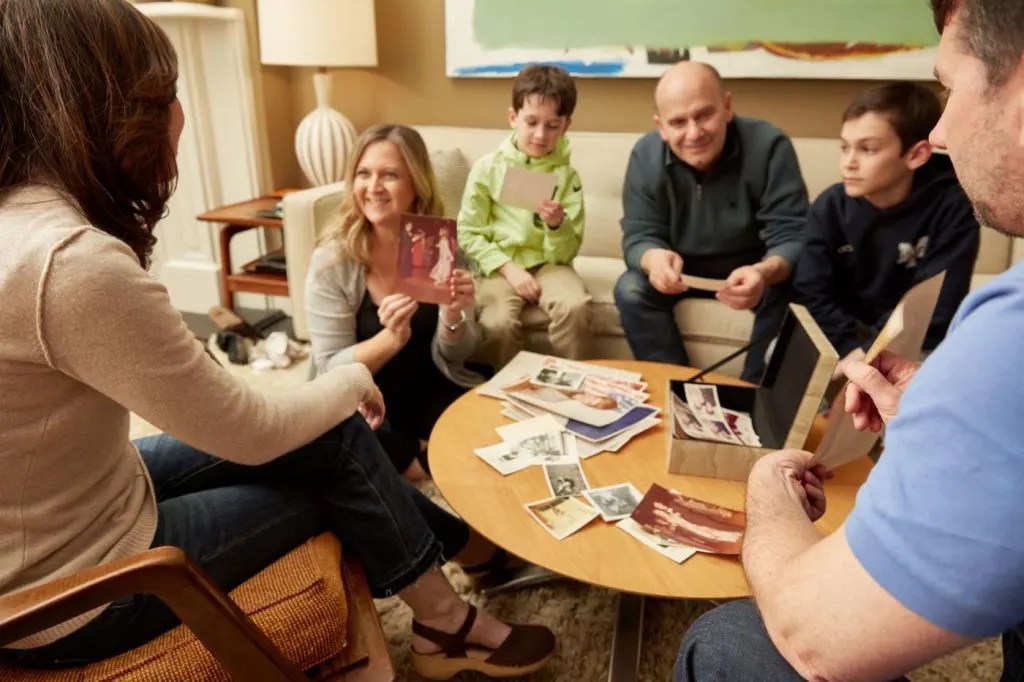
Creating Family-Centered Projects: Another great idea is creating fun projects together with the family. Family-Centered projects can help foster unity, strengthen family bonds, boost confidence, create memories, and benefit the child’s development. Some fun ideas for you to try with your children include creating a memory book/scrapbook, a recipe book, a photo collage, or a family tree. A memory book or scrapbook can show the family’s journey, experiences, celebrations, food, traditions, and birth and growth of children. Many families usually have some sort of family recipes that are passed down from generation to generation; taking the time to create a family recipe book with grandparents, parents, and children can be a memorable experience for everyone. Creating a collage filled with family photos can help children form a sense of their family’s identity and foster a sense of belonging as well. The collage can even be displayed during family events or parties, other extended family members may even be willing to add on to the collage as well. This will make it meaningful, personal, and nostalgic to the whole family. Perhaps children may not yet know all their extended family or perhaps never got the chance to meet family members who have passed on; making a family tree showcasing both mom and dad’s side of the family is a great way to teach children about their ancestors and where they come from.
Sharing stories: A simple way to celebrate your family is simply to talk about it. Nothing beats sharing your own personal experiences and memories to your children. You can share how your childhood was, what kind of child were you growing up? Where did you and your family live? Did your family move around a lot? What traditions or activities did your family practice? Did you meet other families who were drastically different o yours? Both mom and dad can share their own versions; your child will love to hear how her/his parents grew up. Then, you can share some fun anecdotes of how both parents met and when your child was born. Maybe your child doesn’t remember their first years of life so this is a great time to share some adorable or funny baby stories!
How Can Teachers Celebrate Families in the Classroom?
Showcasing families throughout the classroom: Creating a learning environment that is inclusive, diverse, welcoming, and safe is the top priority of caregivers. We want to make sure you and your child feel welcomed and celebrated at school and not ignored. The way we would approach that is by hanging pictures of all our students and their families on the classroom walls, placing a wide variety of cultural materials and objects throughout the class, adding props or dolls from different cultures into the play area, and hanging posters with images representing all cultures. Our goal is to make the classroom as inclusive and diverse as possible.
Inviting families to present or share to the class: My favorite method is having families come over and share what they desire to the class. This is a great way for children to feel that their family matters and is important, as well as a great way for the rest of the children to learn about other families and their different structures, size, language, traditions, customs, and celebrations. We would love it if parents came in and did storytelling, show & tell, sharing a recipe or making it with the children, lead a dance or singing activity, or make crafts with the rest of the class to showcase your unique family traditions to the other children.
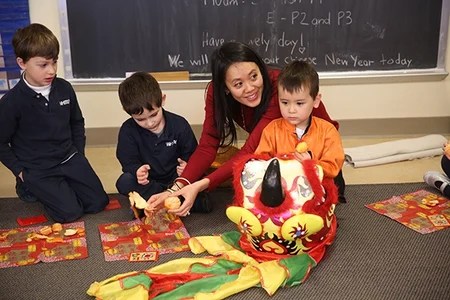
Celebrating all cultures: Having a wide variety of children from different family backgrounds in our classroom means we should take the time to celebrate each child and their family. Having a family celebration day is a fun experience for children, parents, and teachers. Teachers can assign each family a specific date to come in and take part in the celebration, or parents can decide when they prefer to have the celebration take place. During this fun event parents can bring in any food dish, music in their preferred language, cultural clothing pieces if they’d like, and any other materials or objects they wish to have present in the class. Teachers can help set up stations such as a table with the family’s photo collage, or and arts & crafts table where they can assist the parent with the activity that was brought in. Ideas for activities include origami, paper kites or lanterns, dreamcatchers, piñatas, and masks to name a few.
Incorporating diverse materials into the learning environment: It’s important for teachers to incorporate diverse learning materials within the class. If children don’t have materials that resonate with them then will they really feel included or seen? Probably not. Therefore, as teachers we need to include books that show different families and in different languages, posters that show images of locations, holidays, clothing, dances, and food from different parts of the world along with words in different languages to associate with these images. During music and movement, teachers can play songs in different languages as well as include props or instruments from other cultures for children to use and dance along with. In the dramatic play area, dolls, clothing, and props from different cultures can also be added for the children to interact with. Meal time is a great opportunity for children to get a taste of the different dishes from other cultures. We can even have a child who is familiar with the dish to share with the class what the dish is called, how they usually eat it, and if they pair it up with something else at home.
Building a Parent-Teacher Relationship
Introduce yourself: In order to for a strong bond to form between teachers and students, we need to get to know each other first. Teachers can’t possibly know every single children’s family or the dynamic of each family; so we need to gather such information from the families themselves. Teachers may send a couple of projects or assignments home for the children and parents to fill out with their own information. Some assignments like creating a photo wall with with all the students families can still involve parents because they are giving permission for students to bring photos. Teachers can also send home a form where parents and children work together to complete. A few questions that may appear in this form include tell me about your family? How is your family different from other families? What is your current job? Can you share a fun ritual that your family does? and share what you hope your child will improve in during this school year.
Communicating through a Home-School Journal: Having communication flowing between parents and teachers is not only beneficial to parents and teachers, but also to the children and their academic progress. If children are receiving proper support from both at home and in school then they will feel that their needs are being met at home and in the classroom environment which can boost their self-esteem, confidence, and sense of identity.
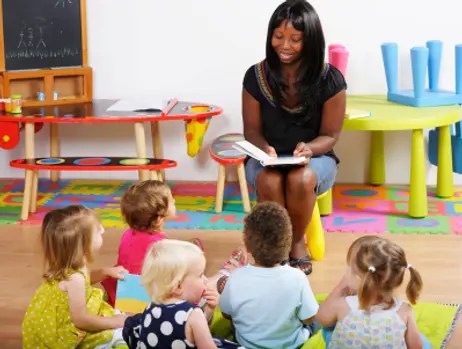
Parent Involvement in the class: This is a great way for parents to involve themselves and be a part of their child’s learning process. Parents can be offered opportunities to help whether its from the comfort of their own home during their free time or they can come into the class to help out. Some at-home opportunities include preparing materials for projects by cutting or laminating, translating class materials such as class newsletters or event flyers, Designing posters or signs that are displayed throughout class, planning class celebrations, or donating supplies to the class. As for in-class opportunities parents can come in to help prepare materials, volunteer during class activities, chaperone at field trips, set up for class celebrations, translate during back to school night, or simply sharing their skills with the class. Whatever works for parents, teachers would be glad to work together.
Reference
- Coleman, M. (2013). Empowering family-teacher partnerships: Building Connections within diverse communities. SAGE.
- Meoli, P. L. (2001). Family stories night: celebrating culture and community. Reading Teacher, 54(8), 746–747.
- Take Your Family to School Week. (2017). Teaching Young Children, 10(3), 12.
Key Terms
- Culture: The shared beliefs, customs, language, food, art, music, and social habits that is usually passed down generation after generation within a family.
- Diversity: Having a variety of people and objects present, acknowledging and valuing the differences in race, gender, culture, abilities, and background.
- Dramatic Play Area: An area or corner in a class were children can pretend play using different props, equipment, and dolls to act out different roles like a doctor, chef, or superhero.
- Learning Materials: Can be any tool or resource that will help a student reach their goals. They usually consist of books, audio aids, visual aids, and manipulatives.
- Home-School Journal: A book that helps parents trach their child’s learning as well as writing down any questions or concerns that will then be read by the teacher.
 Celebrating Families at Home and in the Classroom
Leave a comment